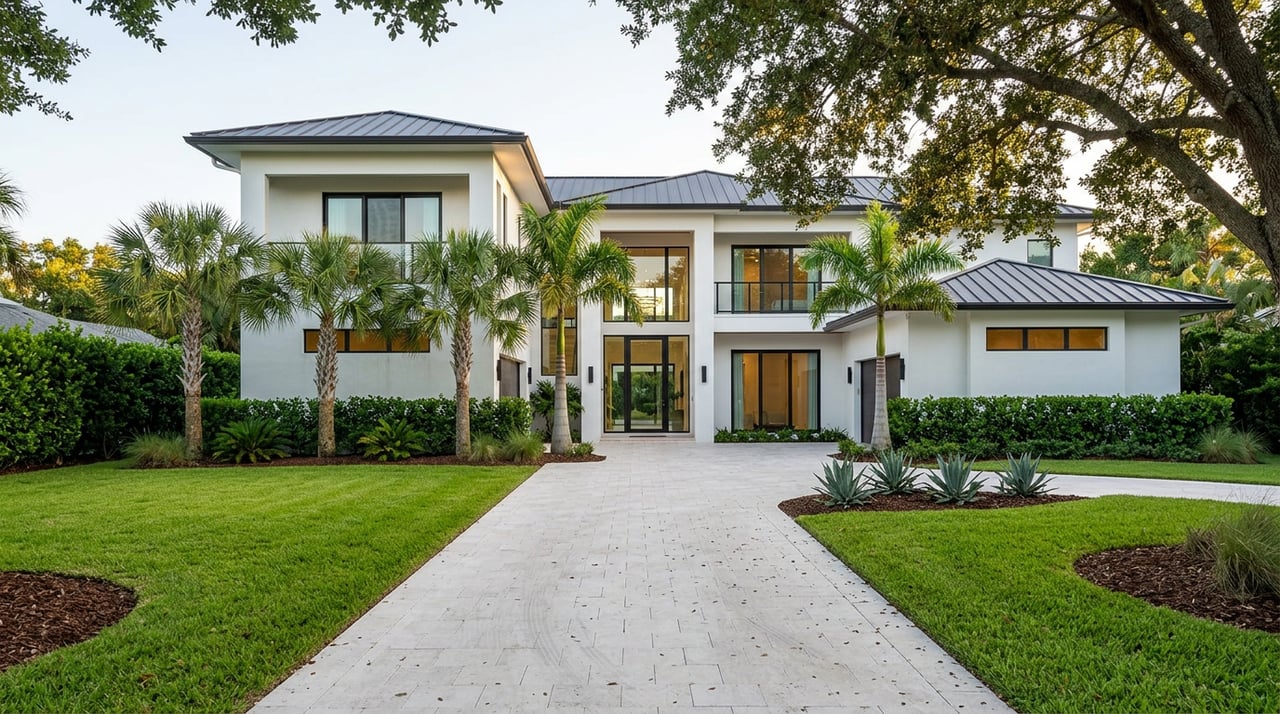
Craving more elbow room without giving up quick access to Jupiter and Palm Beach Gardens? If you picture a guest cottage out back, space for a boat or horses, and starry nights instead of streetlights, Palm Beach Country Estates may fit you. You want privacy and flexibility, but you also want nearby parks, shopping, and I‑95 when you need it. In this guide, you’ll see what estate living on an acre looks like here, how the rules work, what it costs, and how to compare PBCE to gated club communities. Let’s dive in.
Palm Beach Country Estates at a glance
Location and access
Palm Beach Country Estates (PBCE) sits just west of I‑95 near Donald Ross Road in northern Palm Beach County. You’re a short drive from Abacoa, Roger Dean Stadium, The Gardens Mall, and the area’s beaches. Community updates and maps are often shared by the voluntary landowners association at the PBCE Landowners Association site.
Acreage and home styles
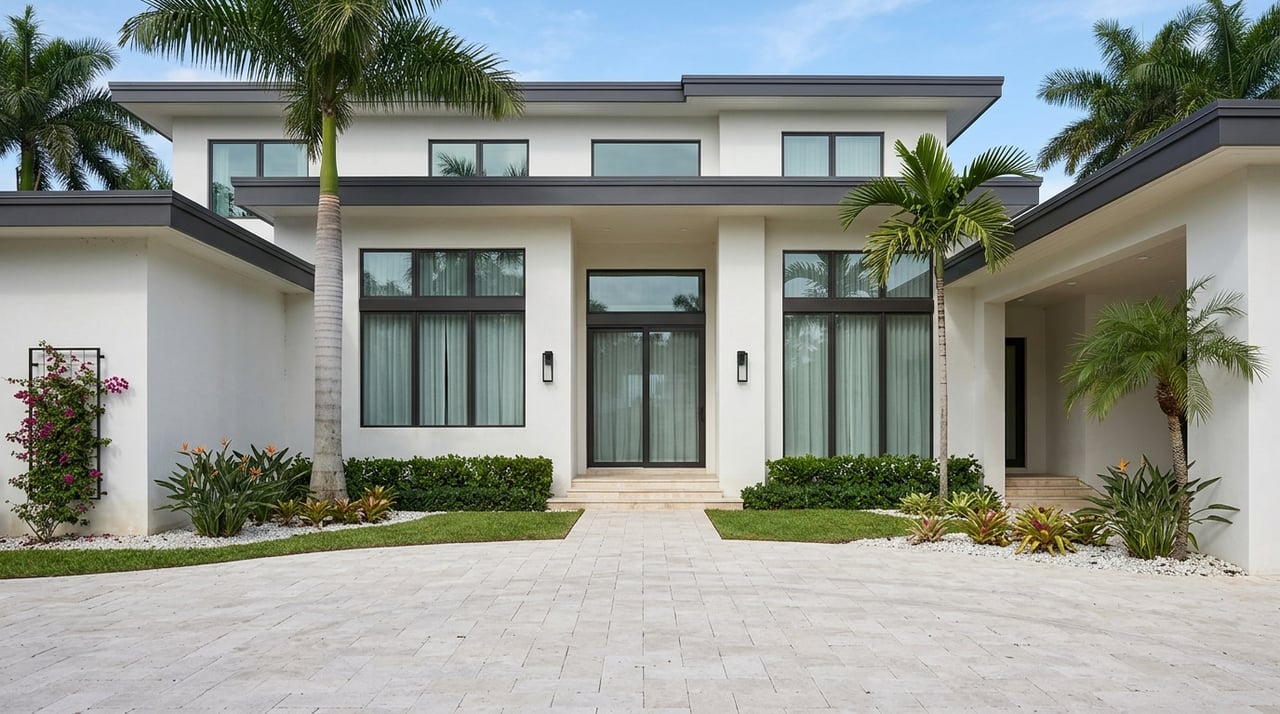
The defining feature here is space. Lots are typically at least 1 acre, which gives you room for detached garages, pools, barns, RV or boat parking, and guest cottages. You’ll see older ranch and country-style homes from the 1970s–1990s alongside newer custom estates. Because there’s no single design code, architecture varies from about 1,500 square feet to 5,000–6,000+ square feet in top-tier builds.
PBCE is a mature neighborhood with roughly 1,400–1,500 existing homes and few vacant lots remaining. Counts vary by source and timing, so treat the takeaway as simple: acreage inside a growing coastal metro is scarce.
Utilities, roads, and drainage
A major improvement in recent years is potable water availability. Through an interlocal arrangement with the Town of Jupiter, potable water mains and hydrants were installed, and many properties can now connect. Always confirm whether a specific home is hooked up and what connection costs apply with the South Indian River Water Control District’s PBCE water page. Sewer availability is not universal, so some properties may still use septic. Road surfaces can vary by street, and driveway culverts and drainage should be reviewed as part of your due diligence.
Governance and HOA status
There is no mandatory HOA in the core PBCE area. A voluntary landowners association communicates neighborhood news and organizes events, but it does not enforce design or use restrictions. That freedom is a big draw. Still, Palm Beach County zoning, building permits, and special district rules apply. If you plan to add structures or change uses, start with the county’s Planning, Zoning & Building department’s Zoning FAQs and ULDC resources.
Living on an acre: What’s possible
Popular on-lot amenities
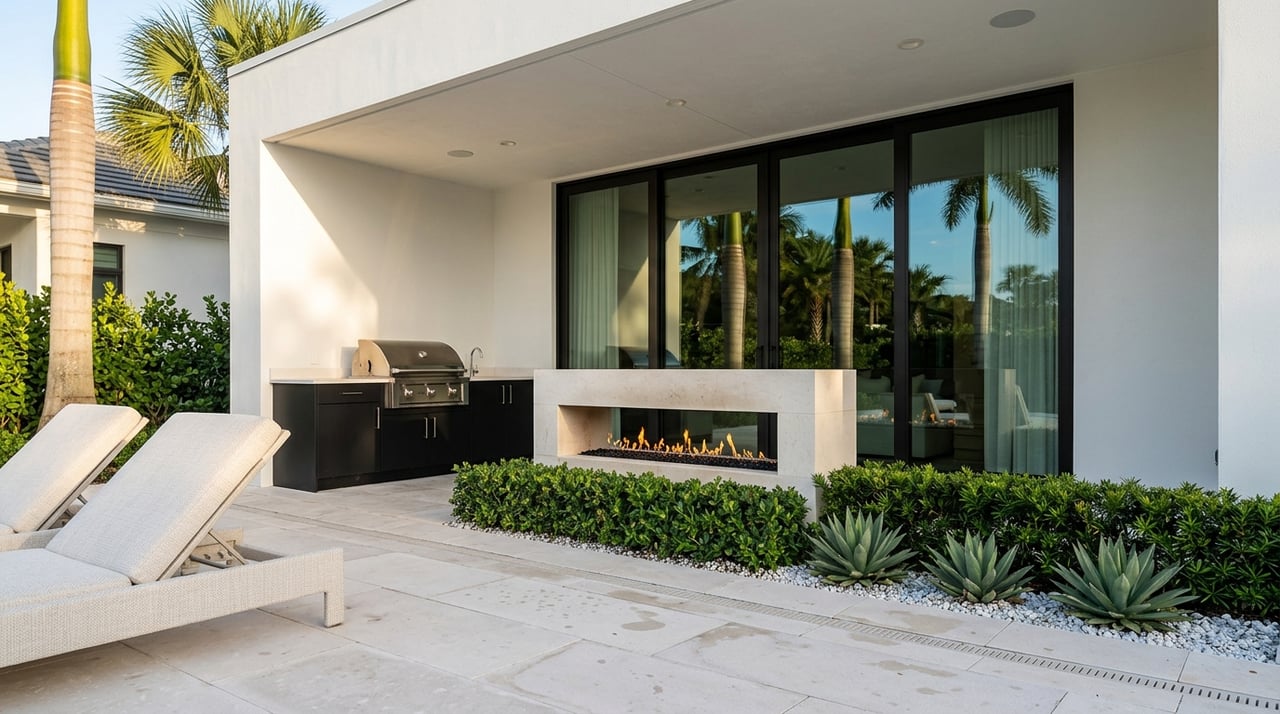
With acreage, you can think beyond a simple pool and patio. Many PBCE owners build detached guest suites, barns, tack rooms, paddocks, multi-bay garages, storage buildings, and private outdoor arenas. Every structure still needs to follow county setbacks, lot coverage, and permit rules, so plan early with the county and your contractor.
Accessory dwellings and agricultural exemptions
Accessory dwellings, often called ADUs or guest cottages, can be allowed based on your parcel’s zoning and the county’s Unified Land Development Code. Sizes, placement, and parking requirements vary, so avoid assuming a specific square footage until you verify with county staff. Some bona fide agricultural buildings may qualify for exemptions if they meet state and county criteria. Review eligibility on the county’s page for Agricultural Improvements and Exemptions and confirm with the county before you draw plans.
Equestrian and outdoor lifestyle
Horses and livestock basics
Palm Beach County’s code allows domesticated livestock as an accessory use to single-family residences in appropriate zoning tiers. That is why you will find horses on many large-lot properties here. Always verify your specific parcel’s zoning, permitted uses, and any number limits or permits with county resources, including the Animal Care & Control ordinance page and Zoning OnCall.
Trails, parks, and ways to get outside
PBCE residents enjoy quick access to equestrian and multiuse trails, waterways, and wild areas. The Loxahatchee Slough Natural Area offers trails, an equestrian bridge, and paddling connections along the C‑18 canal, and Riverbend Park is nearby for more riding and recreation. Explore features on the county’s page for the Loxahatchee Slough Natural Area.
If you ride competitively, Wellington remains the regional hub for large-scale show facilities, while everyday feed, farrier, and veterinary services can be found across Jupiter and Jupiter Farms.
Market snapshot and ownership costs
Recent third-party snapshots show median sale prices in PBCE ranging from roughly 930,000 to 1.25 million, depending on the source and time frame. Inventory is limited because lots are large and the number of remaining vacant parcels is small. For a precise, property-specific view, ask for a live MLS update and comparable sales before you tour.
Market data note: figures referenced reflect late 2025 through January 2026 snapshots. Different providers use different data windows and methods.
Insurance, flood, and due diligence
Florida’s insurance market has been in flux, and statewide reforms have influenced rates in recent years. Expect to shop multiple carriers and budget for hurricane deductibles. Review the current policy landscape in the state’s update on insurance rate relief and reforms. Also check the FEMA Flood Map Service Center to see your property’s zone and whether flood insurance is recommended or required. Start with the FEMA Flood Map Service Center and request elevation certificates if available.
Property taxes and recurring costs
Property taxes reflect county millage and any local assessments. Because PBCE homes often carry larger lot sizes and, after renovations, higher assessed values, annual taxes can be meaningful. You can look up a parcel’s public record through the county’s Online Services portal or ask your agent for a tax estimate as part of your offer planning.
PBCE vs. gated country-club living
Here is a quick comparison to help you decide which lifestyle fits your goals.
| Factor | PBCE Acreage Living | Gated Country-Club Communities |
|---|---|---|
| Lot size & privacy | Typically 1+ acre, wide setbacks, room for barns, guest cottages, RV/boat parking | Smaller lots overall, landscaped privacy, close-knit layouts |
| Rules & flexibility | No mandatory HOA in core PBCE; county codes still apply | HOA rules, architectural guidelines, and club policies |
| Amenities | Private amenities you build: pool, outdoor kitchen, hobby structures | Centralized amenities such as clubhouse, pools, fitness, and golf |
| Recurring fees | No HOA dues in core PBCE; pay for your own maintenance and improvements | HOA dues and often club initiation plus annual dues |
| Security feel | Neighborhood setting with individual home security solutions | Gated entries and controlled access |
| Lifestyle vibe | Country-style independence with quick city access | Turnkey resort-style living with organized programming |
If you want a clubhouse lifestyle with on-site golf or dining, a gated community may win. If you want acreage, design freedom, and space for hobbies, PBCE stands out.
Your PBCE buyer checklist
Before you write an offer, use this quick list to verify the details that matter on large-lot properties:
- Confirm parcel zoning, permitted uses, setbacks, and accessory structure rules with the county’s Zoning OnCall or ULDC resources. Start at the PZB Zoning FAQs.
- Look up the property’s flood zone and Base Flood Elevation, and request any elevation certificates to size flood insurance. Use the FEMA Flood Map Service Center.
- Verify utilities: is the home connected to potable water, and is sewer available or is it on septic? Review connection options and neighborhood notes on the SIRWCD PBCE water page.
- Confirm whether horses or other livestock are allowed on your parcel and whether any permits or limits apply. See the county’s Animal Care & Control ordinance.
- Inspect drainage and driveway culvert condition, and confirm maintenance responsibilities with SIRWCD. Reference the SIRWCD PBCE water page for contacts and basics.
- Review recent comparable sales and days on market with a local acreage specialist who can pull the freshest MLS data for PBCE.
- If planning new construction or large accessory structures, confirm permit steps, impact or connection fees, and any agricultural exemption eligibility using the county’s guide to Agricultural Improvements and Exemptions.
Helpful local resource: For community updates and voluntary membership, visit the PBCE Landowners Association.
Concierge guidance for your move
Estate living on an acre rewards careful planning. From verifying utility connections and flood zones to aligning your wish list for barns, boats, or a guest house with county rules, the right guidance saves you time and protects your investment. If you are weighing PBCE against a gated country-club lifestyle, you deserve a clear side-by-side of costs, tradeoffs, and resale dynamics before you decide.
When you want a calm, white-glove experience with local insight, connect with Vicki Rosenfield. You will get a curated shortlist based on your lifestyle, on-the-ground verification of property details, and introductions to trusted local vendors so your move feels effortless.
FAQs
Is there a mandatory HOA in Palm Beach Country Estates?
- No. PBCE does not have a mandatory HOA in its core area; county zoning and building codes still govern uses and structures, and a voluntary landowners association provides community news.
Can you keep horses on property in PBCE?
- In many cases, yes, subject to parcel zoning and county rules. Verify your specific lot’s allowances and any number limits or permits through Zoning OnCall and the county’s Animal Care & Control ordinance.
Does PBCE have city water and sewer service?
- Potable water mains are available for many streets through a Jupiter interlocal project, but sewer availability varies by parcel. Confirm hookups and costs via the SIRWCD PBCE water page and a utility check during inspections.
What are typical lot sizes and home types in PBCE?
- Lots are commonly 1 acre or more. Homes range from older ranch and country styles to newer custom estates, with living areas from about 1,500 square feet to over 5,000–6,000 square feet.
How should I evaluate flood and insurance considerations in PBCE?
- Check your property’s flood zone at the FEMA Flood Map Service Center, budget for hurricane deductibles, and review statewide insurance updates such as Florida’s recent insurance reforms.